Your 10-minute, renter-friendly routine is a short set of tasks that makes your space feel calmer without chasing perfection. You’ll aim for about ten minutes. Stop when the timer rings. This is a practical habit for busy people in small apartments.
Expect less visual clutter and fewer “where is my stuff?” moments. The focus is on high-impact maintenance, not deep cleaning. Tasks cover kitchen, dishes, bathroom, living area, laundry, and trash. We’ll also show a brief night-before step that smooths your start.
You’ll get product picks that need no drilling. Think microfiber cloths, slim bins, small caddies, hooks, and trays. Each category will list pros and cons, who it’s best for, and alternatives for studios versus multi-bedroom layouts.
Safety and durability matter more than looks. We’ll flag non-slip options, stable storage, and surface-safe cleaners so you get practical, easy, and renter-safe choices under $25 and under $50.
Key Takeaways
- A 10-minute box gives calm fast without perfection.
- Focus on quick, high-impact tasks—not full cleaning sessions.
- Product suggestions are renter-friendly and drill-free.
- Budget and best-for guidance help pick what’s worth it.
- Safety: choose stable, non-slip, surface-safe solutions.
Why a quick reset beats weekend marathon cleaning
Ten focused minutes each day protect your time and reduce cleaning stress. For renters in small spaces, clutter grows fast and drains your energy. Short maintenance keeps things usable without demanding a full day off.
How a 10-minute routine reduces decision fatigue
When counters and entryways are cluttered, you spend extra brainpower deciding what to do first. That slows your morning and adds stress. Professional cleaner Karina Toner notes a brief nightly habit makes mornings calmer and more predictable.
What „maintenance, not perfection“ looks like
Maintenance aims for clear surfaces, a usable sink, and walkable floors — not showroom polish. Even resetting the kitchen and entryway can make your whole day feel more manageable.
„Short nightly resets create calmer, more predictable mornings and reduce decision fatigue by prepping outfits and bags.“
Practical tip: Use a timer, hit the highest-impact tasks, and stop when it rings. Missing a day is fine; pick it up tomorrow. This baseline makes deep cleaning less frequent and much easier when it comes.
Set up your routine to actually stick
Attach this brief task to something you already do each day so it becomes automatic. Anchoring turns a new habit into a natural part of your flow.

Pick a reliable anchor
Choose one action you never skip. Coffee, showering, feeding pets, or starting work are all good anchors. When the anchor happens, follow with your quick task.
Use a strict timer rule
Set a timer for 10 minutes, move fast, and stop when it rings. If you prefer music, try a two-song reset instead. The goal is consistency, not perfection. Let this take minutes, not your whole morning.
Remove friction where you live
Store supplies at the point of use. Keep a small caddy under the kitchen sink and a mini kit under the bathroom sink. Convenience is the key to making routines stick.
- One-step fallback: on rough days, do one step only (dishes or trash).
- Refill weekly: replace cloths, top up sprays, empty caddies.
- Choose a single place for tools, not where they “look nice.”
| Problem | Simple fix | Why it works |
|---|---|---|
| Forgetting the habit | Attach to an existing anchor | Makes the task part of your daily routines |
| Hunting for supplies | Keep a sink-side caddy | Removes friction and saves time |
| Resenting the task | Use a 10-minute timer or two songs | Keeps resets short and predictable |
Key step: pick an anchor, set the timer, and store supplies where you use them. Do that and the habit will stick.
What the “morning reset home” includes in 10 minutes
Start with six tiny tasks and you’ll see a big visual change in under ten minutes. Follow this exact order so you never waste decision time.
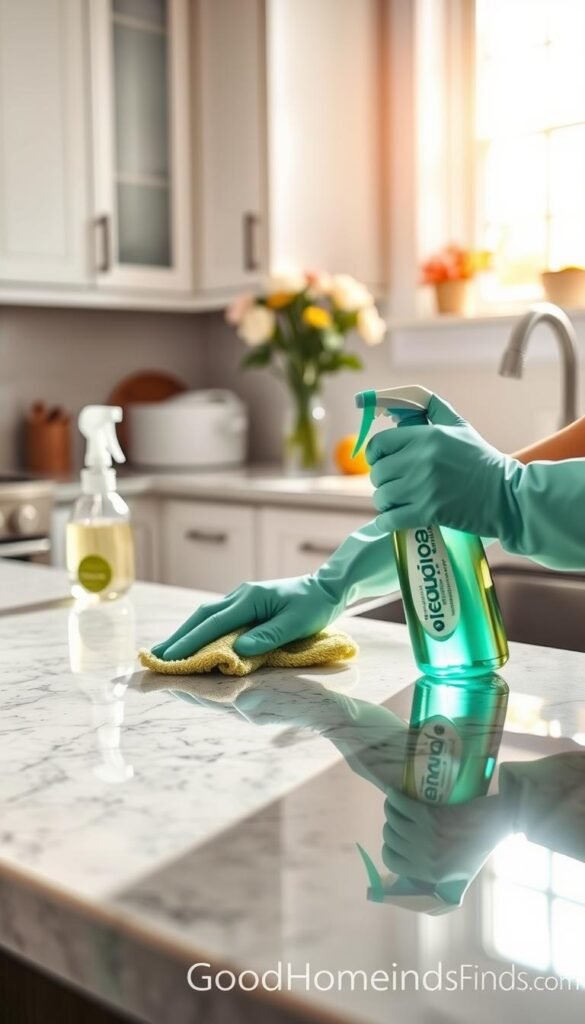
- Kitchen counters & sink — ~2 minutes: Put loose items into “homes” (tray, basket, bin). Spray and wipe counters, scrub the sink briefly, then dry the sink for an instant shine using a gentle cleaner like Perfectly Natural Soap.
- Dishes flow — ~2 minutes: Rule: if the dishwasher is dirty, run it; if it’s clean, unload it. If hand-washing, wash a small batch or set items to soak to stop pileups.
- Bathroom micro-wipe — ~2 minutes: Wipe sink and counter, swipe the mirror, hang towels, and tuck toiletries away. Quick surface care makes the room feel calmer.
- Living pickup — ~2 minutes: Reset pillows, fold blankets, clear the floor, and hit hot spots (coffee table, side table, couch arms).
- Laundry in motion — ~1 minute: Move one load one step forward: start, switch to dryer, fold, or put away. Small progress prevents weekend backlog.
- Trash & recycling — ~1 minute: Check for smells. Take out anything odorous and replace liners in small apartments to control odors.
„Doing these short steps daily keeps surfaces usable and cuts the time you spend on big cleanups.“
Safety mini-check: Keep walkways clear, avoid leaving items on stairs, and wipe any wet floors to prevent slips. This is important in small spaces.
| Task | Time | Visual win |
|---|---|---|
| Kitchen counters & sink | 2 minutes | Clear counters and a dry sink make the room look cleaner |
| Dishes flow | 2 minutes | No pileups; the kitchen feels usable |
| Bathroom micro-wipe | 2 minutes | Shiny sink and mirror; calmer start |
| Living pickup | 2 minutes | Fresh, uncluttered surfaces and floors |
| Laundry in motion | 1 minute | Progress on laundry so it never overwhelms |
| Trash & recycling | 1 minute | Odor control and cleaner air |
For extra tips and small-kitchen fixes, check this kitchen problem mix. Keep supplies at point of use and stick to the timer. Ten busy minutes like this keep cleaning manageable and your space more usable every day.
The night-before reset that makes mornings much easier
A quick set of evening tasks prevents chair piles and gives your small space breathing room. Spend about 10 minutes and you will reduce decision fatigue the next day. This is practical, renter-friendly, and easy to maintain.

Why the night-before routine works
You are more likely to follow a short habit at night than rely on willpower when you wake tired. Doing a small closing shift turns clutter into a predictable system. Karina Toner notes short nightly habits cut decision fatigue and make mornings calmer.
Quick closing-shift checklist
- Put away clothes, coat, and accessories. Stop chair piles and things on the floor by returning items to closets or a simple basket.
- Pre-sort laundry into baskets. Use one basket per wash type or person so wash days move faster.
- Choose your outfit for the next day. This removes indecision and speeds your routine.
- Pack your work bag essentials. Laptop, charger, wallet, headphones, keys, and a water bottle tucked by the bag.
- Clear and wipe bathroom counters. A quick wipe makes the sink usable first thing.
Exhausted-night fallback
If you are done for the day, do only three things: pick an outfit, pack your bag, and take out one trash item. That small effort still improves the next day.
| Action | Why it helps | Tool | Small-space tip |
|---|---|---|---|
| Put away clothes | Reduces visual clutter | Clothes basket | Use a slim basket near the bed |
| Pre-sort laundry | Speeds wash days | Three-basket sorter | Foldable sorter for studios |
| Pack work bag | Prevents forgotten items | Small tray or hook | Keep charger coiled with a strap |
| Wipe bathroom counters | Start with usable surfaces | Microfiber cloth | Store cloth under sink for access |
„Short nightly habits create calmer mornings and cut decision fatigue.“
Renter-friendly product toolkit that requires no drilling
Choose a few smart, non-permanent items and you’ll cut friction from daily cleaning. Keep supplies where you use them and the effort becomes a tiny habit.
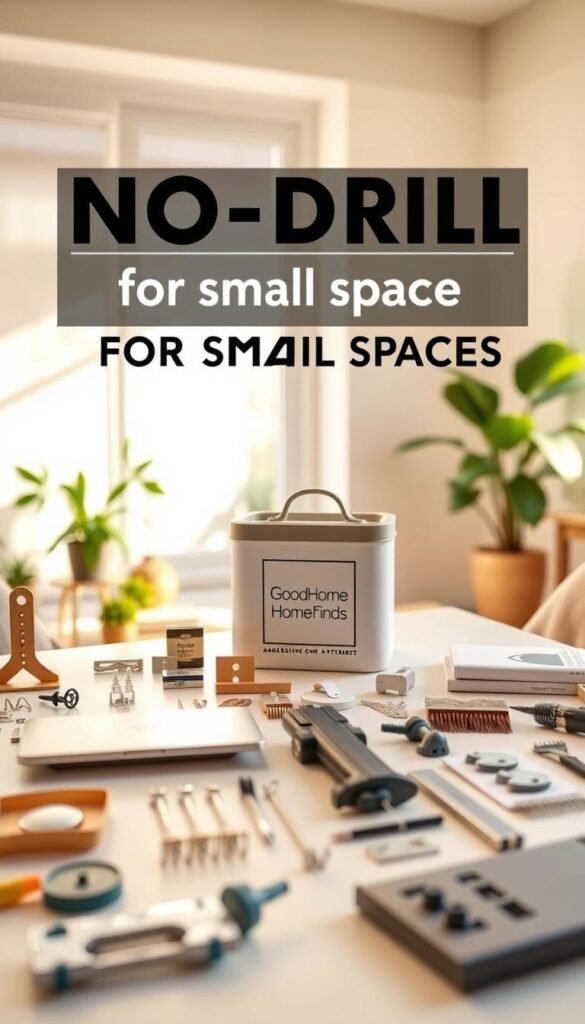
Core no-drill toolkit
- Non-permanent hooks — best at an entryway, bathroom, or inside cabinet doors. Pros: easy setup, flexible placement. Cons: weight limits, adhesive fails on dusty paint. Best-for: renters who need fast hanging without hardware.
- Tension rods & over‑door organizers — work in closets, under-sink, and pantry doors. Pros: add vertical storage without screws. Cons: can warp thin doors or slip if overloaded. Tip: spread load across multiple rods.
- Foldable step stool & slim bins — open vertical room in tight rooms. Safety: choose non-slip feet and a locking hinge. Don’t store heavy items above shoulder height.
- Microfiber cloths & gentle sprays — fast on surfaces and low mess. Keep cloths in rotation and label sprays for each place to avoid mix-ups. Perfectly Natural Soap works as a gentle option.
- Small caddies — one per zone (kitchen + bathroom). A grab-and-go plan: stash cloths, spray, and a scrub brush so you never hunt for things.
| Item | Pros | Best-for / Alternative |
|---|---|---|
| Non-permanent hooks | Flexible, no tools | Entryway, inside cabinets; adhesive strip alternative for tile |
| Tension rod / organizer | Vertical storage, hides clutter | Closet or under-sink; slim bins if rod not possible |
| Small caddy | Removes friction, keeps supplies handy | Studio: one shared caddy; multi-room: one per floor |
Quick maintenance: wash cloths weekly, restock sprays, and check adhesives monthly. For more daily routine tips see this practical routine guide.
Budget buys under $25 that speed up your reset
Small, smart buys under $25 cut the time you spend hunting and scrubbing. The goal is not more stuff but fewer minutes searching, scrubbing, and relocating clutter.
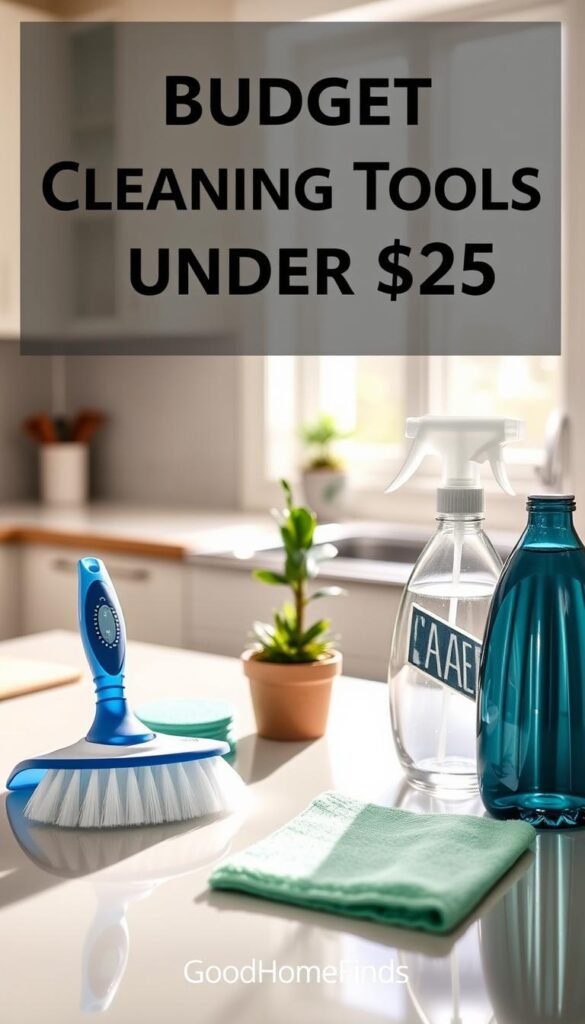
Microfiber cloth set
Pros: fast on surfaces, reusable, minimal streaks.
Cons: needs washing and can grab lint.
Best for: quick wipes in the kitchen and bathroom.
Alternative: cotton rags or disposable paper towels for greasy spills.
Countertop or under-sink cleaning caddy
Pros: keeps supplies within arm’s reach and reduces friction. Under-sink placement pairs well with gentle cleaners.
Cons: can become clutter if overfilled.
Best for: renters who keep tools under the sink.
Alternative: a small handled bin or divided organizer you can grab and stow.
Sink-side dish tools
Look for comfortable grips, replaceable heads, and non-scratch materials. Avoid abrasive pads on delicate cookware.
Durability & safety: rinse and let tools dry to reduce odor and wear.
Small catch-all tray
A slim tray by the entry is a game-changer for keys and everyday things. It cuts “where’s my key?” stress and keeps trash from piling into drawers.
Alternative: a small bowl, removable wall hook, or slim console basket.
„Pick one tool that saves time in your biggest pain point — dishes, entry clutter, or quick wipes — and start there.“
| Item | Why it helps | Quick tip |
|---|---|---|
| Microfiber set | Fast surface clean | Wash weekly |
| Cleaning caddy | Removes friction | Keep under sink |
| Dish tools | Less scrubbing | Store at sink-side |
| Catch-all tray | Stops lost keys | Empty daily |
Smart upgrades under $50 for daily durability and less mess
Pick one well-made tool that you use every day. A single under-$50 upgrade can cut friction, save time, and reduce wear on surfaces over the years.
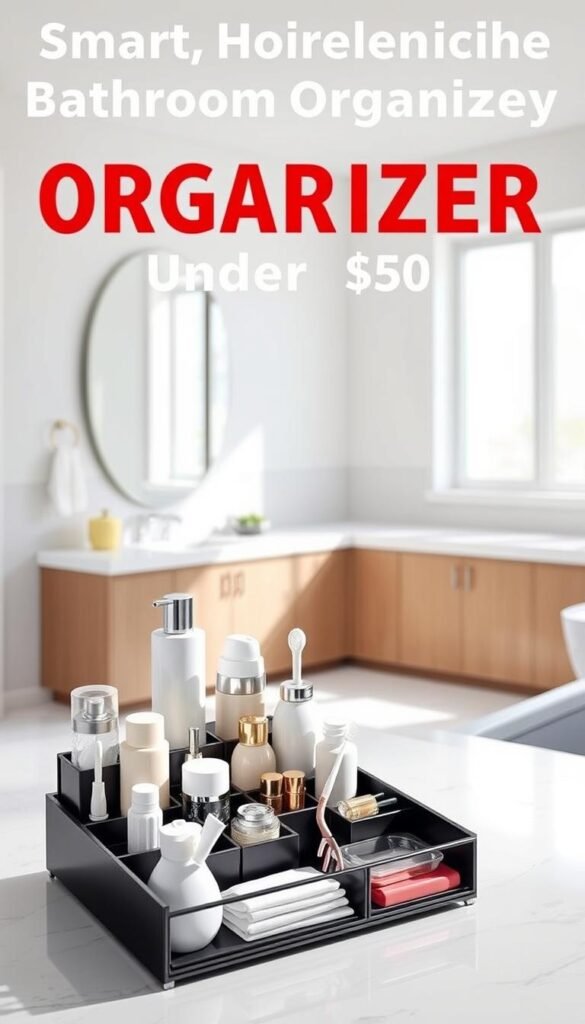
Bathroom organizer caddy
Why it helps: keeps counters clear and speeds a weekly 15-minute bathroom routine so buildup stays small.
Pros: removable compartments for easy cleaning, ventilated base to avoid trapped moisture, clear top-level view of items.
Cons: takes some cabinet or counter space; cheap plastics may stain over time.
Best for: small bathrooms with limited counter area.
Alternative: a slim, handled caddy or wall-mounted basket that uses vertical space.
Compact cleaning brush set
Why it matters: reaches grout, tracks, and tight corners so weekly cleaning is faster and gentler.
Pros: targeted cleaning, less elbow grease, prevents heavy buildup over time.
Cons & safety: avoid metal bristles on delicate finishes; store brushes upright to dry fully.
Best for: bathrooms and tile-heavy rooms where crevices collect grime.
Velvet hangers
Pros: thin profile saves closet space and stops clothes from slipping off, which cuts daily clutter.
Cons: not ideal for heavy knits that need wide shoulder support.
Best for: renters with small closets and lots of lightweight garments.
Alternative: a mix of velvet and a few sturdy wooden hangers for sweaters and coats.
Laundry sorter alternatives
Studio option: a slim two-compartment bag or a vertical sorter that fits narrow closets.
Multi-bedroom option: separate bins per person or per category (colors, delicates, towels) for faster weekly loads.
Practical note: one good sorter reduces laundry decision fatigue for the week and keeps clothes moving so piles don’t become weekend problems.
Decision guide: if clutter is your main pain, buy the caddy. If buildup is the problem, get brushes. If closet chaos bugs you, choose hangers. If laundry overwhelms you, pick a sorter. You don’t need all four; one thoughtful upgrade is often enough.
| Upgrade | Key benefit | Best-for / Alternative |
|---|---|---|
| Bathroom organizer caddy | Clears counters; ventilated, easy-clean parts | Small bathrooms / slim wall basket |
| Compact brush set | Targets grout, corners, fixtures | Tile baths & tight spaces / soft-bristle deck brush |
| Velvet hangers | Saves closet space; reduces slipping | Small closets / mixed hanger set with wooden options |
| Laundry sorter | Speeds weekly loads; prevents piles | Studios: two-compartment bag; multi-bed: per-person bins |
Kitchen reset strategies for small apartments
Small kitchens feel calmer with a few clear rules you can follow each day. These steps focus on quick wins that cut visual clutter and keep surfaces usable without extra work.
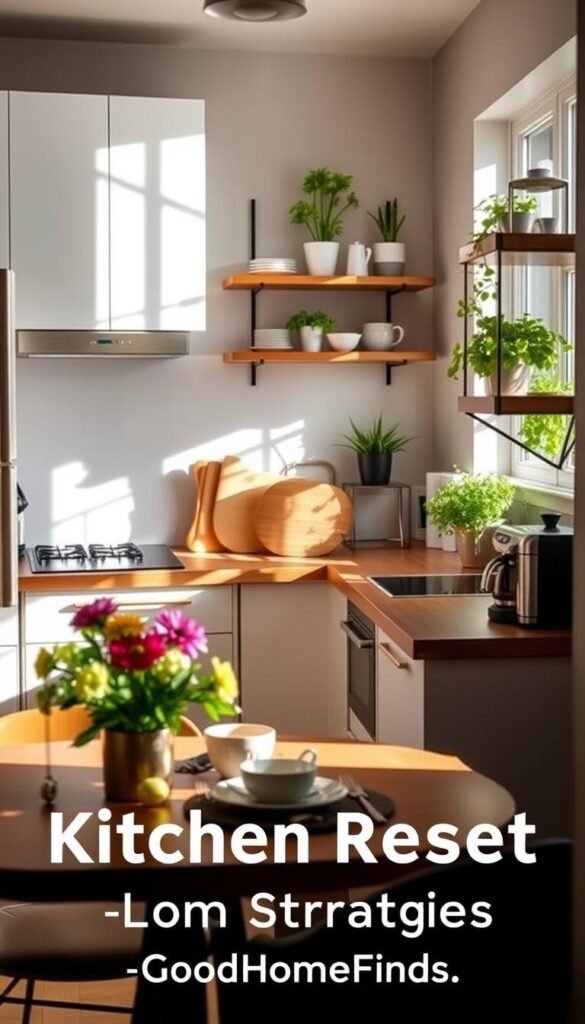
Two-minute counter clear with a drop-zone basket
When counters pile up, pick one single basket as the day’s drop zone. Move mail, chargers, and random items into it. Put the basket in a corner or on a shelf to free most of your counter fast.
Why it helps: a single container prevents items from migrating and turning the whole kitchen into clutter.
Dishes rules that work: dishwasher vs hand-wash
If you have a dishwasher, follow a clear flow: load during the day, run on a set time, and unload before bed. That keeps dishes from stacking.
If you hand-wash, use a small “wash batch” routine: wash three to five items at once, or set a short soak for greasy pans. This stops a few plates from becoming a pile by the end of the day.
Sink-drying tip that instantly makes the kitchen look cleaner
After rinsing, wipe the sink dry with a microfiber or paper towel. A dry sink reads as cleaner immediately and takes under 30 seconds. Using a gentle product like Perfectly Natural Soap prevents residue while boosting the visual win.
Safety and surfaces: choose the right cleaner
Select a cleaner that matches your countertop material. For stone, use pH-neutral options. For laminate, avoid abrasive powders that can dull surfaces. Test any new product on a hidden spot first.
Keep spray bottles stored away from kids, turn pot handles inward, and wipe up puddles right away to avoid slips.
Small-space alternatives and maintenance
No room for a dish rack? Use a roll-up drying mat or a vertical rack that drains directly into the sink. Wash the drop-zone basket weekly so it doesn’t become “the clutter container.”
Restock dish soap and swap sponges or brush heads regularly to keep your cleaning routine efficient.
| Problem | Quick fix | Why it works |
|---|---|---|
| Counter clutter | One drop-zone basket | Containment stops spread and speeds clearing |
| Dish pileups | Dishwasher: load/run/unload; Hand-wash: small wash batch | Keeps dishes moving instead of stacking |
| Dull or damaged surfaces | Use material-appropriate cleaner | Prevents scratches and preserves finish |
| Wet, slippery floors | Wipe sink and spills immediately | Reduces slip risk and keeps kitchen readable |
For practical gear that supports this routine, see a compact list of useful picks at best cleaning finds. Small, renter-friendly tools make daily cleaning feel worth it.
Bathroom reset strategies for faster mornings
Wiping while surfaces are warm and damp makes residue come off with less effort. Do a quick swipe right after you get ready. The heat and water loosen soap scum and toothpaste so you need fewer scrubs.
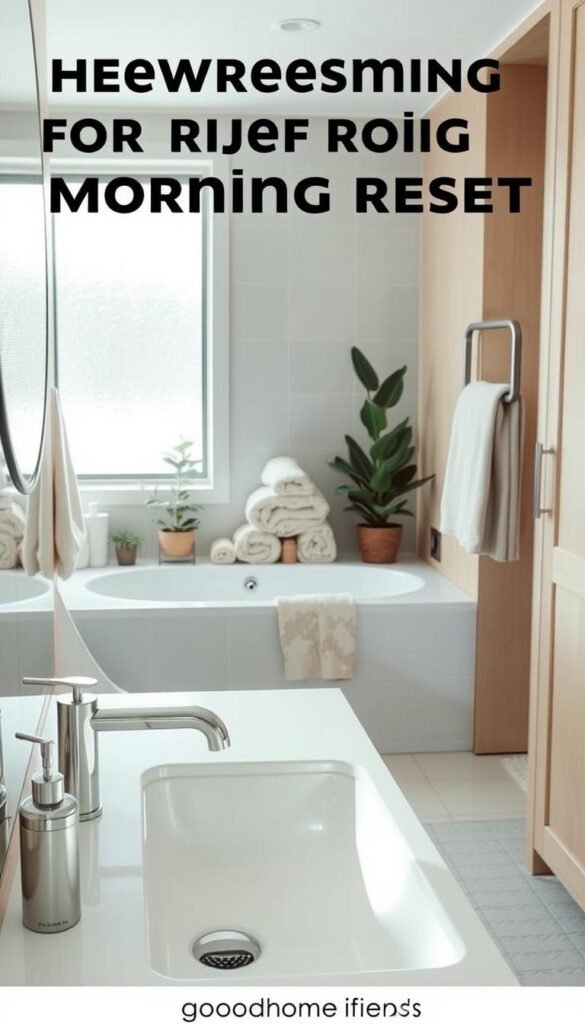
Minimalist under-sink kit
Keep a small bin under the sink with four items: a microfiber cloth, a gentle sink-and-counter spray (Perfectly Natural Soap works well), a mirror-safe cleaner, and a small brush for corners. Grab it and go.
Two-minute daily sequence
- Wipe sink and counters (30–45 seconds).
- Swipe the mirror (20–30 seconds).
- Fold towels and tuck toiletries (about 30 seconds).
Weekly 15-minute reset: focus on faucet bases, drains, shower edges, and grout. Use the small brush on grout and corners to stop mold and mildew buildup before it needs harsh chemicals.
| Focus | Time | Why it matters |
|---|---|---|
| Sink & counter surfaces | 2 minutes | Looks clean and reduces stains |
| Faucet bases & drains | 15 minutes (weekly) | Prevents buildup and mold |
| Mirror & towels | 2 minutes | Quick visual boost |
Mold/mildew basics: reduce standing water, improve airflow, and dry problem spots. Ventilate when you can and keep caps closed on products. Never mix cleaners and use non-slip mats if floors get wet.
Short, consistent care beats long scrubs. For budget tools and small fixes see budget bathroom fixes.
Closets, laundry, and the “put away” system that prevents piles
Give each person a basket and you turn clean clothes into quick decisions, not long chores.
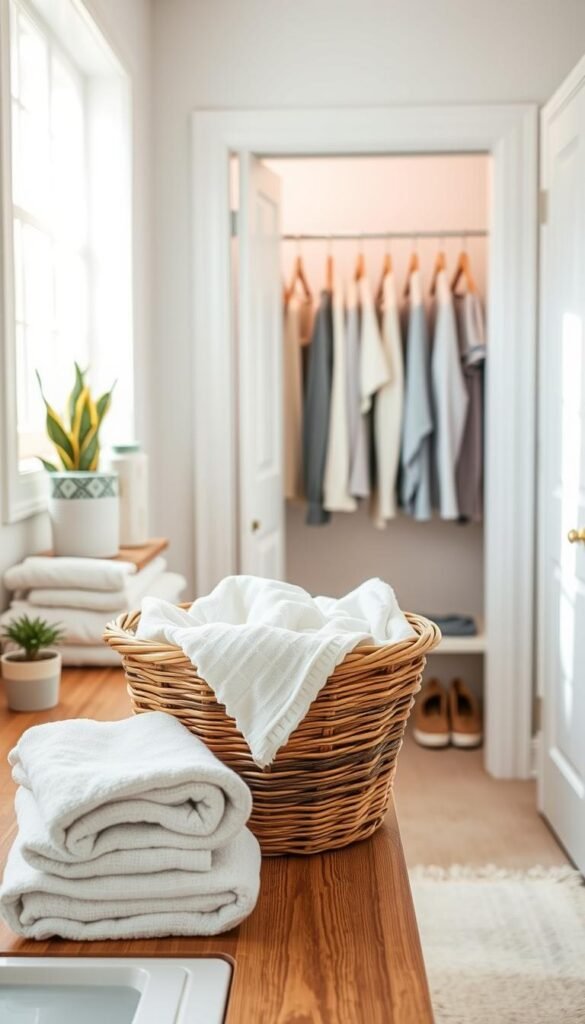
Core system: one basket per person or per category. Sort laundry into labeled baskets when it comes out of the dryer or is folded. This keeps clothes from migrating onto chairs, couches, or the floor.
How it prevents piles
Sorting upfront reduces choices later. When everything has a place, folding and putting away takes minutes. Follow the “move laundry one step forward” rule: start, switch, fold, or put away. Don’t let items stall in the same spot.
Best-for guidance
- Living alone: one basket plus a small delicates pouch works well.
- Roommates: clearly labeled baskets or colored tags avoid mix-ups.
- Couples: one each, plus a shared towels basket.
- Families with kids: one basket per child keeps laundry moving and reduces sorting stress.
Small-space alternatives
Studios: use a slim hamper behind a door, a collapsible sorter, or stackable bins inside a closet. For multi-bedroom apartments, add vertical shelf dividers and labeled bins in a hallway closet so each person has a stable “home.”
| Setup | Best-for | Space tip | Safety & durability |
|---|---|---|---|
| One basket per person | Roommates, families | Label baskets; keep low shelves | Keep heavy items low; avoid overfilling |
| Category baskets | Singles, couples | Colors for towels, delicates | Use sturdy handles; watch shelf load |
| Slim hamper / collapsible sorter | Studios | Store behind door or under bed | Fold flat when not used; ventilated fabrics |
| Hallway labeled bins | Multi-room apartments | Vertical shelves save floor space | Secure bins; keep walkways clear |
Practical habit: during your daily ten-minute routine do a two-minute “put away sweep.” Move a basket to its shelf, return five folded items, and the laundry pile never becomes a multi-day project. For more gear ideas, see this best laundry room solutions.
Entryway and living room resets that reduce clutter fast
A simple landing strip keeps everyday items from spilling into the living room and costing you time. Build a renter-friendly, no-drill station with removable hooks, a small tray or basket for keys and wallet, and a slim shoe zone that won’t block the door.
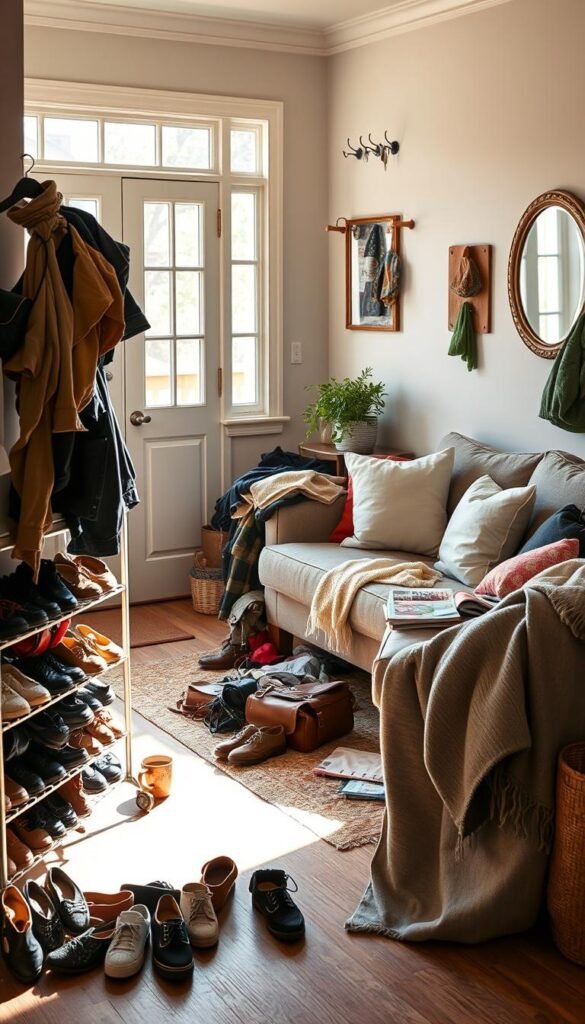
Create a no-drill landing strip for keys, shoes, and bags
Do this: hang removable hooks for bags, place a tray for small things, and add a non-slip mat for shoes. Keep the strip near the entry so items stop at one place.
Two-minute couch refresh
Fluff pillows, fold blankets, and clear the floor. Remove cups and mail. These steps make the couch and room feel calm fast.
Tray vs. basket vs. over-the-door organizer
| Feature | Tray | Basket | Over‑door |
|---|---|---|---|
| Capacity | Low — keys & wallet | High — bulk things | Medium — vertical pockets |
| Footprint | Small | Medium | None on floor |
| Visibility | High | Moderate | Low |
| Best‑for | Everyday carry | Corralling clutter | Small apartments |
| Fail point | Overfilled quickly | Becomes a dumping ground | Pockets sag if heavy |
Safety and durability checks for high-traffic areas
Choose stable storage that won’t tip. Avoid sharp edges near walkways. Use non-slip mats and keep paths clear to cut slip hazards.
Easy rule: empty drop zones daily so baskets and trays don’t turn into permanent clutter piles.
Conclusion
A short daily routine keeps small spaces usable without a weekend overhaul. Maintenance beats marathon cleaning because it preserves a simple baseline instead of forcing recovery.
In about ten minutes you can hit the key steps: kitchen, dishes, bathroom, living area, laundry, and trash. Use a strict timer. Stop when it rings. That rule makes the plan realistic for years.
The night-before tasks—pick an outfit, pack your bag, pre-sort laundry, and wipe counters—cut decision fatigue and smooth your next day.
Start small. One minute of dishes or one minute of pickup moves your place forward. Pick one under-$25 tool that removes friction, then consider one under-$50 upgrade for durability.
This approach is renter-friendly: no drilling, flexible storage, and easy-to-clean organizers. For a compact comparison of renter gear, see this renter setup guide. You’re not chasing perfection. You’re building routines that keep your home reset enough to support your day.