
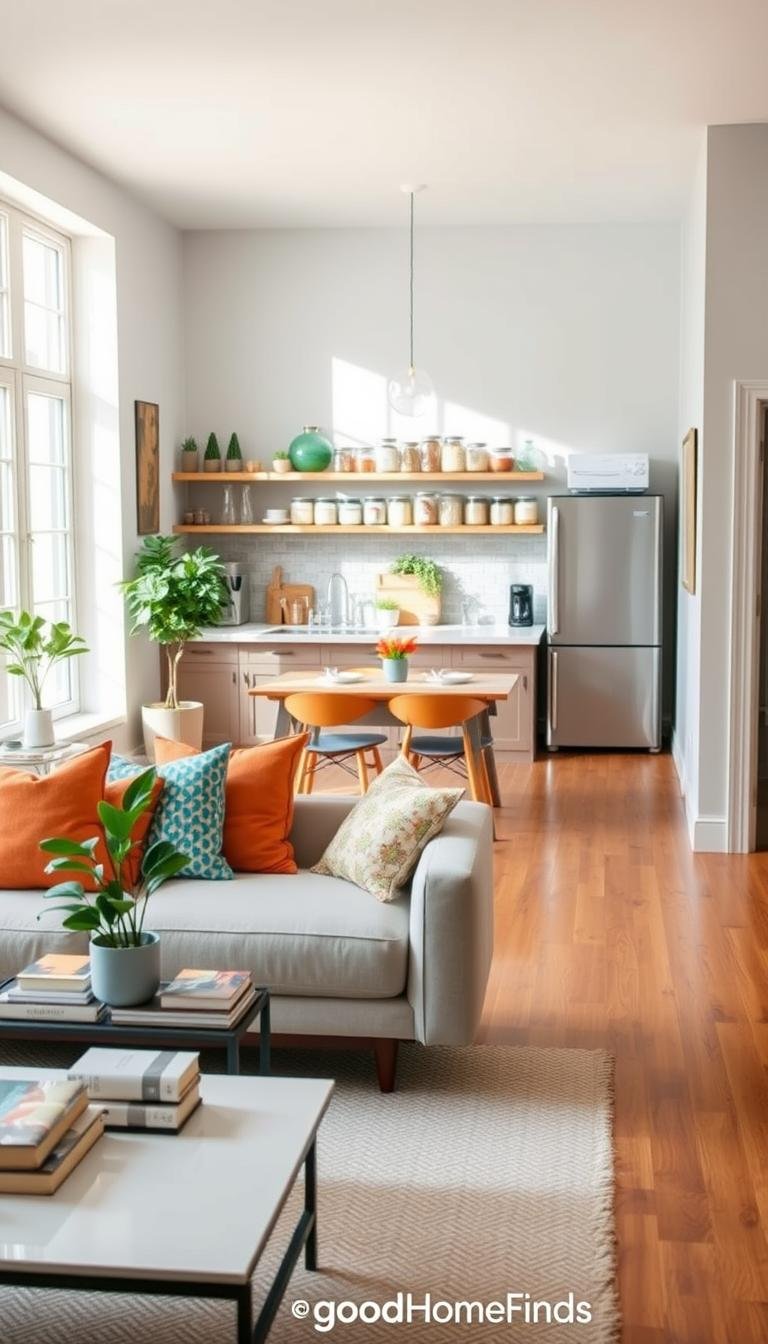
Quick, renter-friendly systems that actually work. You want a livable place without turning into the default parent or buying heavy fixtures you can’t take later.
Start with a simple chat about expectations. Agree on rules first, then mark zones for kitchen, bath, closet, and entry. Use vertical space, hooks, and clear bins to keep items visible.
This guide previews budget picks under $25 and sturdier upgrades under $50. You’ll get practical tips for duplicates, mystery bathroom items, counter clutter, and overflowing shoe piles.
Keep routines small. Try a 10-minute reset each day, a monthly mini-purge, and a “no judgment donate bin” to reduce conflict. Expect practical, no-hype advice that fits real roommates and tight space living.
Key Takeaways
- Agree on rules, then create zones for shared areas.
- Use renter-friendly tools: hooks, trays, bins, and caddies.
- Quick routines: 10-minute reset and monthly mini-purge.
- Budget wins under $25; durable upgrades under $50.
- Vertical storage and clear containers cut clutter fast.
- Keep systems simple so roommates actually follow them.
Set roommate ground rules that prevent clutter in shared spaces
Make a clear, calm agreement now so small annoyances don’t become fights later. A short, focused talk sets expectations and keeps daily life smooth. Use simple language and write the plan down.

Hold the “stuff talk” early and revisit after big events
Try this quick agenda tonight: list what each person brings, name what stays in common areas, and note what must live in bedrooms or closets. Revisit the list after holidays and major purchases. New gadgets and decor cause slow creep unless you check in.
Decide communal vs. personal
Use this rule: communal = used weekly by more than one person (trash bags, dish soap). Personal = hygiene items, sentimental things, or specialty cooking tools. Add an ask first rule for borrowing.
Agree on hours, boundaries, and “clean enough”
Set quiet hours for different schedules and agree guest guidelines. Define “clean enough” with specifics so expectations are fair and not passive-aggressive.
- Kitchen/bath checklist: wipe counters, put food away, sink empty overnight.
- Guest rule: tell roommates ahead of time for overnight visitors.
- Quiet hours: set core sleep times and flexible windows for day plans.
Pick simple tools for communication, schedules, and bills
Use a shared note for groceries, a calendar for chore rotation, and a spreadsheet or bill-splitting app for bills and shared supplies. One person owns restocking each month, then you rotate. Visibility reduces invisible work and protects roommate relationships.
Declutter fast with the one-in, one-out rule and a no-judgment donate bin
Keep clutter under control with a repeatable, low-friction system. When something new enters a communal zone, remove one similar item. That simple swap keeps limited space usable and cuts slow accumulation.
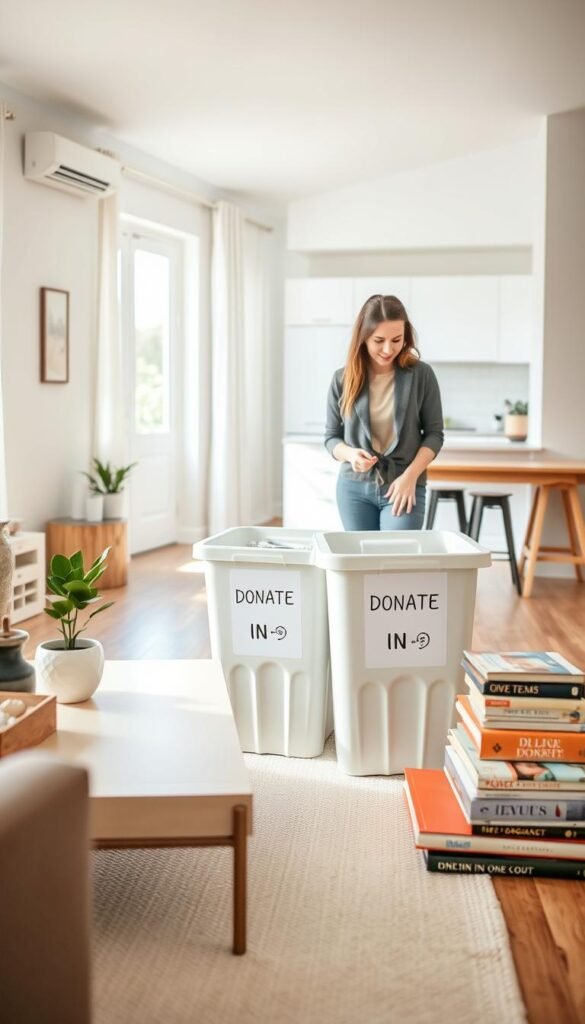
Create a shared “Donation Drop Zone” for unclaimed duplicates
Place a sturdy, labeled bin or bag in a closet. Set a monthly donation day and a 7-day claim window. After the window passes, donate items. This removes guesswork and prevents fights over extras.
Use the one-drawer rule to contain batteries, cords, and random items
Pick one communal drawer or basket for small communal belongings. If it fills, purge it. Keep trays and shallow bins inside so small parts don’t scatter.
Set a monthly mini-purge that takes less than an hour
Try this script: 15 minutes kitchen, 15 minutes bathroom, 15 minutes entry, 10 minutes donate bin + junk drawer. Fast, repeatable, and fair.
- Duplicate rule: pick one shared default for common tools; extras go to the donate bin unless kept in a private room.
- Renter-friendly containers: grippy-base bins, shallow trays, and lidded boxes if you have pets.
- Safety note: don’t overstuff drawers, avoid unstable stacks, and keep cords tidy to reduce trip hazards.
| Action | Time | Container | Why it works |
|---|---|---|---|
| One-in, one-out | Ongoing | None needed | Prevents slow accumulation of items and preserves space |
| Donation Drop Zone | Monthly | Sturdy labeled bin | Clears unclaimed duplicates and reduces conflict |
| One-drawer rule | Weekly check | Shallow tray or basket | Contains communal chaos and protects shared surfaces |
| Monthly mini-purge | <1 hour | Small bags or boxes to sort | Quick reset that keeps systems from failing |
For closet and small-space storage ideas that match renter constraints, see these budget-friendly picks at best closet space solutions.
Create zones for each room so everyone knows where items belong
Map out how each room is used so items have predictable homes. A short walk with roommates is all it takes. Decide activities, then name just a few practical areas per room.

Map zones in living, kitchen, and bathroom to cut conflicts
Fast zone mapping: walk the space, list activities, assign 2–4 zones, add labels. Keep it renter-friendly so you can change zones later.
- Living room: media zone (tray for remotes), work nook (one shelf or bin), and a guest-ready surface rule.
- Kitchen: split pantry shelves, a fridge zone per person, and one common supplies area.
- Bathroom: one shelf or caddy per person plus a shared supplies shelf for toilet paper and soap.
Label shelves, bins, and fridge sections to protect space
Labels reduce arguments. Use removable labels, painter’s tape, or simple cards. Mark shelves and the fridge so items go back without asking.
Reset rule: anything left outside its zone overnight goes to a neutral return bin. No yelling. Just return.
| Area | Zone | Tool | Why it works |
|---|---|---|---|
| Living room | Media / Work / Guest | Tray, shelf, small bin | Keeps remotes, papers, and surfaces usable |
| Kitchen | Pantry / Fridge / Shared supplies | Clear bins, labels, shelf dividers | Prevents food drift and accidental tossing |
| Bathroom | Personal shelf / Shared supplies | Caddies, removable labels | Mystery items stop and routines stay smooth |
For more small-space tools and laundry tips, see best laundry room solutions.
Use vertical space and renter-friendly organizers with no drilling
Free up the floor by building up. In a tight home, vertical space adds useful storage without eating floor area. That matters when multiple people share one place and need quick, low-friction systems.
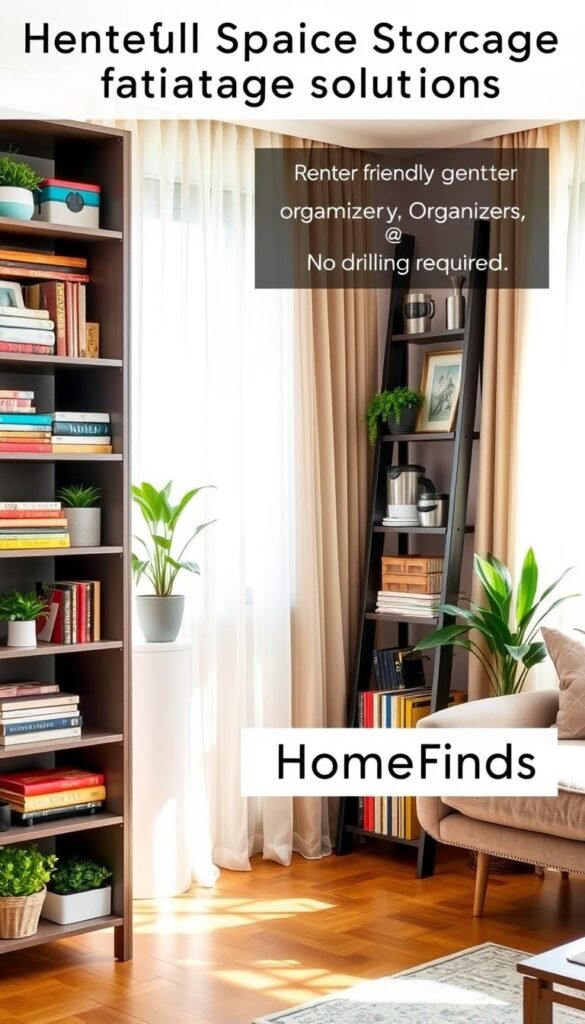
Where no-drill solutions work best
Over-the-door racks and caddies shine in bathrooms for towels and hair tools. They also fit closet doors for accessories and extra shelves. Measure door thickness and top clearance before buying.
Everyday adhesive hooks and hanging ideas
Adhesive hooks are ideal for bags, robes, jackets, and towels. Clean and dry the surface before applying. Check the weight limit and let adhesives cure the recommended time.
Stackable bins and shelf-friendly systems
Stackable bins make the most of deep shelves in closets and kitchens. Choose clear bins for visible storage so everyone can find shared items fast. Use non-slip feet and sturdy plastic to avoid unstable piles.
Worth-it durability and safety checklist
- Weight limits: follow manufacturer specs and keep heavy items low.
- Adhesive cure: wait the full time before loading hooks or strips.
- Moisture resistance: use rust-proof metal or thicker plastic in bathrooms.
- Placement: don’t block exits or hang over areas where falling items could hit wet floors.
- Slim shoe tip: a narrow shoe rack near the door keeps dirt off the floor and cuts trip hazards.
| Solution | Best for | Budget | Why it helps |
|---|---|---|---|
| Over-the-door caddy | Bathroom towels, hair tools | Under $25 | Uses the door so shelves and floor remain free |
| Adhesive hooks | Bags, robes, jackets, towels | Under $25 | Easy to install and remove with minimal wall damage |
| Stackable clear bins | Pantry, closet shelves | Under $50 for durable sets | Maximizes vertical shelf space and keeps contents visible |
| Rust-resistant hanging rack | Shower or humid spots | Under $50 | Lasts longer in moisture and reduces replacements |
Keep setups renter-friendly. Choose removable hardware and simple swaps so systems are easy to reconfigure or take when you move. For shower and bathroom no-drill picks, check practical options at best bathroom space solutions.
Entryway organization that stops shoes, keys, and bags from taking over
Treat the entry as a tiny command center and you’ll cut cleanup time every day. The entryway becomes the default drop zone fast. Once the floor fills, the whole place feels messy.
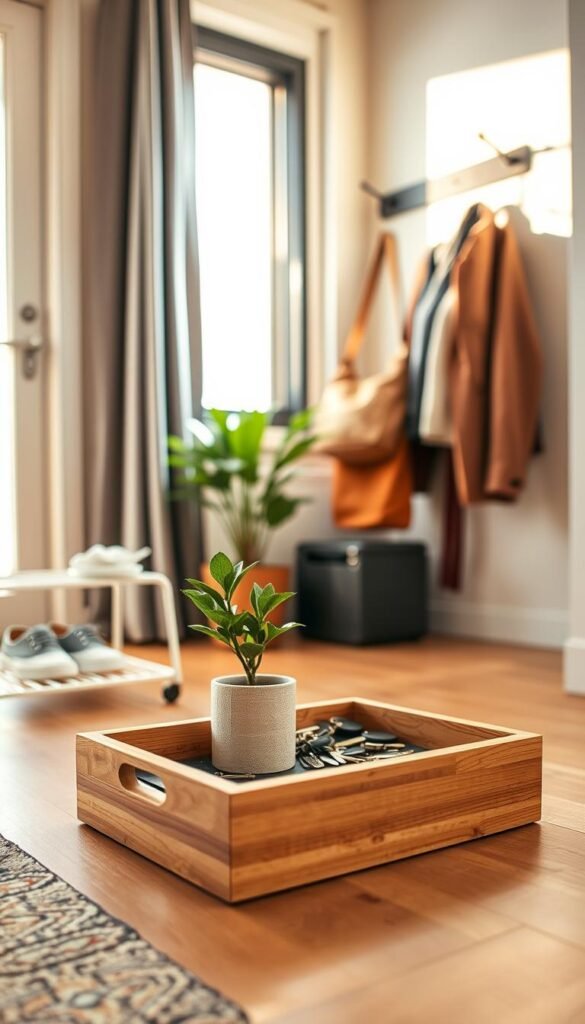
Best under-$25 fixes
Pick renter-friendly, no-drill tools that make putting things away easy.
- Over-the-door hooks for coats and bags — instant vertical help.
- A small tray for keys and wallet by the door to stop last-minute searches.
- A slim shoe mat to catch dirt and moisture so the floor stays cleaner.
Best under-$50 upgrades
Choose narrow furniture and smart combos for tight hallways.
- Thin shoe rack for visibility and airflow.
- Storage-bench alternatives like a slim shelf plus wall hooks for seating without bulk.
Pros, cons, and who it’s best for
| Solution | Pros | Cons | Best for |
|---|---|---|---|
| Shoe rack | Good visibility, keeps floor clear | Looks cluttered if overfilled | College roommates with many shoes |
| Bench | Adds seating, hides stuff | Can block walkways in tight space | Commuters who need a sit-and-shoe routine |
| Door-hanging organizer | Saves floor space | Needs door clearance; can sag if overloaded | Pet owners who need quick wipe-downs |
Landing zone tip: hooks at shoulder height, shoes below, keys in a tray, and one small bin for outgoing mail or returns.
Safety and daily habit: use a non-slip mat and keep walkways clear. Try a 30-second nightly reset: shoes on rack or mat, keys in the tray, nothing left on the floor.
Kitchen storage systems for roommates: cabinets, pantry, and fridge
A fair-share kitchen starts with assigned shelves and simple, movable bins. Give each person a cabinet shelf, a pantry shelf, and one fridge bin. Add one common zone for oils, spices, and bulk staples.
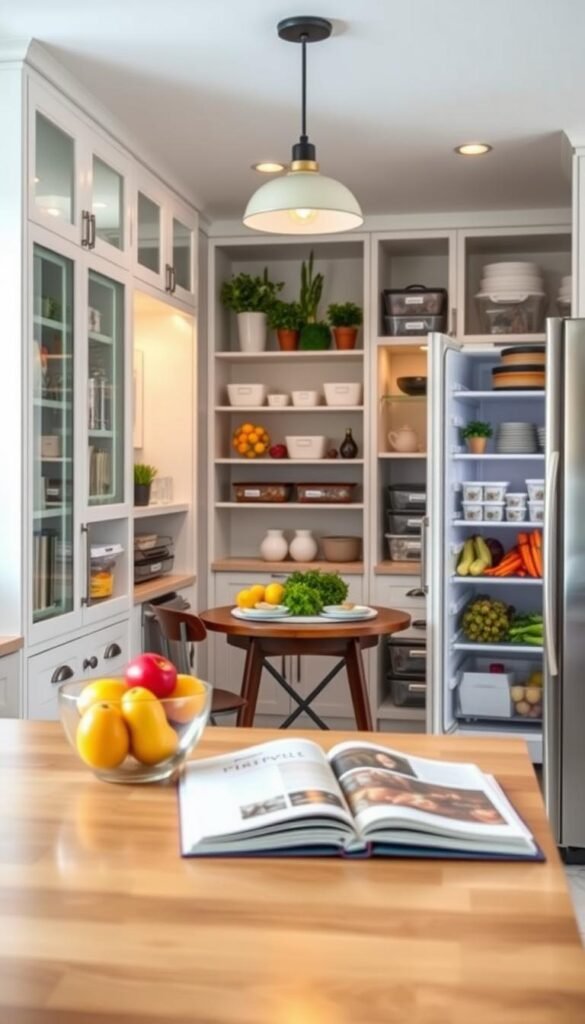
Fridge and pantry setup that prevents food drift
Use clear bins as movable borders. Label each bin and shelf with names or initials. This makes it obvious where items belong and cuts accidental spread.
Countertop clutter: a quick basket reset
Keep one basket for daily-use items. After cooking, spend two minutes to return items to bins or the basket. A nightly 2-minute reset keeps counters usable for the next person.
Budget helpers and upgrades
- Under $25: drawer organizers, bag holders, and small stackable food bins for snacks.
- Under $50: over-cabinet shelves and a slim freestanding cart that fits tight space.
Comparison of common tools
| Tool | Space | Cost | Setup / Durability |
|---|---|---|---|
| Stackable bins | High — uses vertical shelf space | Low | Easy to set up, medium durability |
| Turntables (lazy susan) | Medium — good for corner shelves | Low-Mid | Quick setup, good durability for light items |
| Drawer dividers | Low — uses drawer space | Low | Simple install, high durability for utensils |
Practical rules: agree who replaces shared staples. Mark shared cookware and set a rotation for restocking. Heavy cooks need sturdy, easy-to-clean organizers. Meal preppers benefit from clear bins and labeled zones. Minimal kitchens and college roommates do best with the simplest put-back system.
For more renter-friendly options, see small kitchen solutions.
Bathroom organization for shared routines without arguments
Cut guesswork: give every roommate one labeled shelf or a portable caddy for daily items. Add one clear zone for soap, toilet paper, and cleaning spray so communal basics stay visible and fair.
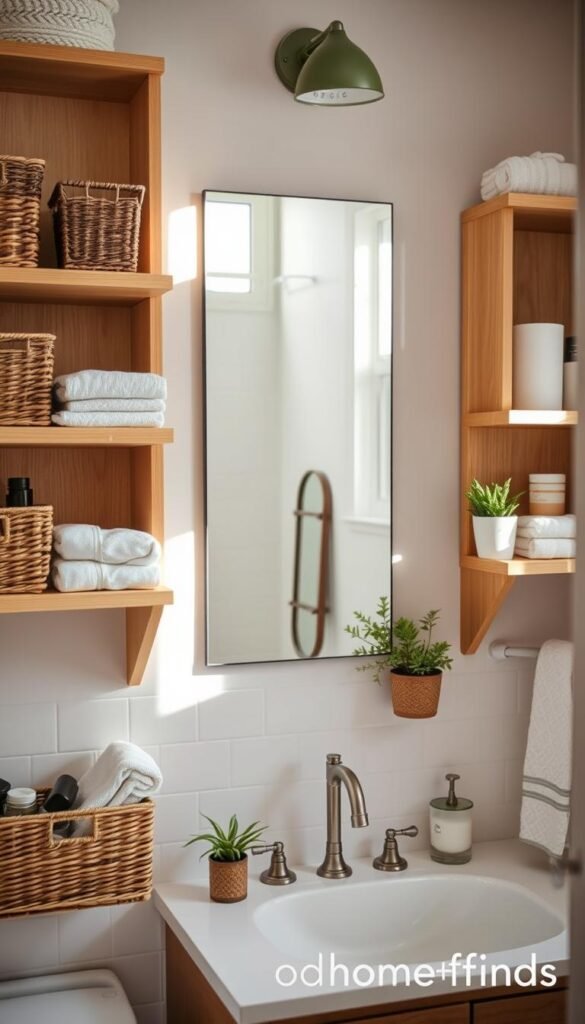
Renter-friendly, no-drill solutions
Over-the-door caddies and adhesive hooks work well for towels, robes, and loofahs. Follow weight limits and prep surfaces before you stick anything.
Budget picks that actually help
- Under $25: small bins for toiletries, adhesive hooks for towels, and a compact countertop organizer for essentials.
- Under $50: freestanding tiered shelving that fits behind the toilet and lidded hampers to hide laundry and reduce visual clutter.
Quick maintenance that lasts
Try a 2-minute sink wipe after brushing teeth. Add a weekly 10-minute wipe-down rotation. One person checks shared supplies on a set day each week, then rotate monthly.
Practical rules and safety
Peak hours etiquette helps mornings: quick showers, clear counters, no long product spread. Use moisture-resistant plastics or rust-proof metal near the shower.
| Issue | Solution | Why it works |
|---|---|---|
| Mystery items | Personal shelves or caddies | Items stay with owners; fewer disputes |
| Wet floors | Adhesive hooks for towels + non-slip mats | Reduces slip risk and damp clutter |
| Restocking | Rotate weekly supply checks | Keeps basics in place and splits the work |
Closets and bedrooms: make limited space work for multiple people
Small bedrooms and tight closets can feel manageable with a short, intentional reset and renter-friendly vertical solutions.
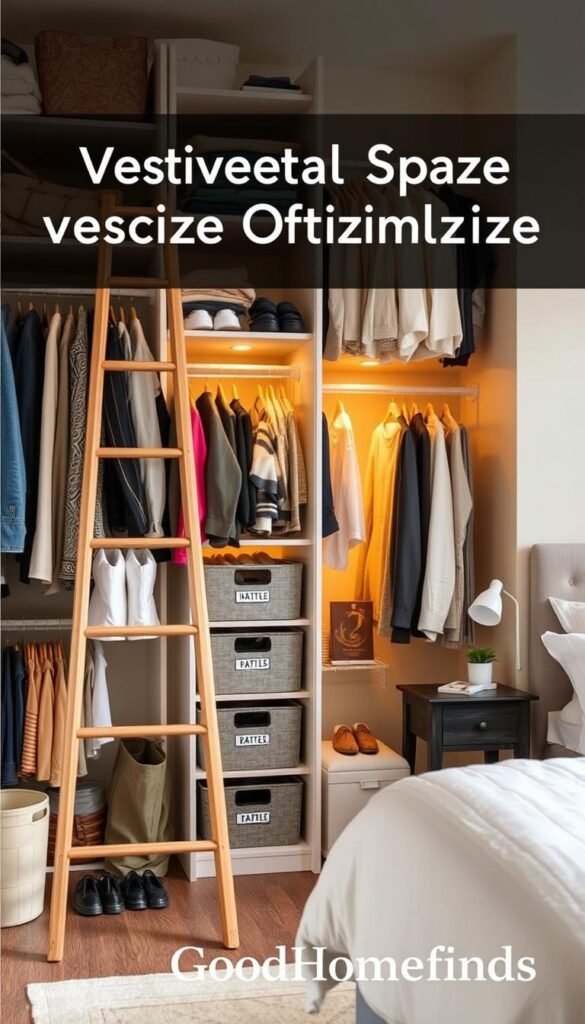
Closet reset method:
- Take everything out so you see the full capacity.
- Group like items — work clothes, casual wear, gym gear, shoes.
- Make a donate bin for items you don’t use.
- Only return what you actually wear. Label spots for quick mornings.
Simple vertical fixes that double usable space
Hanging organizers and stackable boxes let you use the full height of a closet without drilling. Aim for clear or labeled bins so belongings stay visible.
Pros, cons, and who they help
- Hanging shelves: great for folded clothes; may sag if overloaded.
- Under-bed bins: hide seasonal items; label them so you don’t forget what you own.
- Freestanding shelves: sturdy and flexible; they cost floor space in small rooms.
Alternatives by apartment size
| Apartment size | Best approach | Why it works |
|---|---|---|
| Studio | Under-bed bins + one tall shelf unit | Saves floor visual space and keeps the room feeling open |
| Two-bedroom | Closet zoning + one shared linen shelf | Prevents drift of towels and bulk items into private rooms |
| Three-bedroom | Shared supply closet + room-specific shelves | Keeps communal goods centralized and bedrooms lighter |
„A quick closet reset and a couple of vertical buys can change how a room feels and functions.“
Durability and safety: keep heavy boxes low, avoid overstacking, and choose stable furniture so shelves won’t wobble on uneven floors.
Daily routines that keep a shared apartment organized shared apartment long-term
Build a short daily habit that prevents mess from becoming a roommate problem. Small, repeatable steps keep living areas usable and reduce friction.

The 10-minute reset rule that actually sticks
Set a timer for 10 minutes and play one upbeat song. Focus on quick wins: clear counters, return items to zones, and empty the sink.
Why it works: short resets stop clutter from becoming „someone else’s problem“ and they fit busy schedules.
Rotate chores with clear, specific tasks
Make tasks explicit. Instead of “clean kitchen,” use: wipe counters, empty trash, clean microwave, sweep floor, and put dishes away.
Rotate weekly so responsibilities are fair. Use one person to restock supplies that week, then swap.
Shared supplies management
Pick one tracking method: a shared Google Sheet or an app like Splitwise for shared purchases. List items, set a restock day, and note who buys what.
Pro tip: add a simple tally column so people mark when they replace basics like soap or trash bags.
Trash and recycling placement
Put small cans where mess happens: kitchen, bathroom, and living or office nook. That prevents pileups on counters and makes daily emptying easy.
Label bins if needed. Emptying schedules cut smell and overflow before they start.
Pick a tracking tool that fits your group
| Tool | Effort | Visibility | Accountability |
|---|---|---|---|
| Chore chart on fridge | Low — update by hand | High — always visible | Medium — relies on honesty |
| Shared calendar | Medium — set recurring events | Medium — needs checking | High — reminders and time slots |
| App reminders (apps) | Low — automated alerts | Low — not visible on-site | High — tracks completion and sends notifications |
„Consistency beats intensity: an easy routine five days a week is better than one perfect clean a month.“
Plan resets around quiet hours if schedules differ. If one roommate works nights, assign alternate solo resets or earlier times.
For quick fixes that solve common kitchen problems during resets, see kitchen problem mix.
Conclusion
End with a calm, practical checklist so small actions stick.
Start with ground rules, cut duplicates, and give things clear homes. Use renter-friendly, no-drill tools so putting items away is easier than leaving them out.
Keep two routines: a daily 10-minute reset and a monthly mini-purge with a donation drop zone. Have one person restock basics each week, then rotate.
Budget path: begin with under-$25 hooks, trays, bins, and labels. Upgrade to under-$50 pieces only where durability matters.
This week’s next steps:
• Schedule the stuff talk. • Label zones. • Set an entry landing spot. • Pick one chore-tracking method.
Real life wins over perfect systems. Small, consistent moves keep your apartment livable for all roommates. For more practical product picks, see small-space fixes.
FAQ
How do we start setting ground rules with roommates to prevent clutter?
Hold a short “stuff talk” within the first week of moving in. Agree who buys communal items, what counts as personal vs. shared, quiet hours, and a basic cleaning standard. Put decisions in writing in a shared note app like Google Keep or Trello so everyone can revisit them after holidays or big purchases.
What’s an easy rule to keep possessions from building up?
Use the one-in, one-out rule. For every new item brought in, one similar item leaves. Keep a labeled donate bin in a corner for unclaimed duplicates. Schedule a monthly 30–60 minute purge so this stays quick and judgment-free.
How can we avoid arguments over whose food is whose in the fridge and pantry?
Create “fair share” zones using clear bins and labels with names. Assign shelf and drawer boundaries and keep a small communal bin for shared condiments. Use a marker or masking tape to note expiration dates so nothing gets tossed without discussion.
What renter-friendly organizers work best when we can’t drill holes?
Choose over-the-door racks, adhesive hooks (check weight limits), and tension-rod shelves. Stackable plastic bins and hanging fabric organizers also maximize vertical space without damage. Always test adhesives on a small area first and follow removal instructions to protect paint.
How do we keep the entryway from becoming a shoe and key pileup?
Add a slim shoe mat, over-the-door or wall hooks for keys and bags, and a small tray for loose items. For under , a narrow shoe rack or storage bench works well. Agree on a “drop zone” rule so items stay put instead of migrating into other rooms.
What are low-cost kitchen helpers that actually save space?
Under- fixes: drawer dividers, bag holders, and small stackable food bins. Under- upgrades: over-cabinet shelves and a compact rolling cart if floor space allows. Use baskets to group countertop items and reset them nightly to keep clutter off surfaces.
How do we manage shared bathroom supplies and personal items?
Assign each person a shelf, caddy, or labeled bin. Use over-the-door or shower-friendly caddies to avoid drilling. Keep a communal restock list for toilet paper, soap, and cleaning spray in a shared app. Wipe-down and restock routines that take minutes prevent most conflicts.
What’s the best way to organize closets when multiple people share one?
Do a closet reset: remove everything, group like items, and put back intentionally. Use hanging organizers, slim hangers, and stackable boxes to double vertical storage. Under-bed bins help when closet space is tight.
How do we make quick daily routines that actually stick?
Try the 10-minute reset rule: set a timer, play a favorite song, and focus on quick wins like clearing counters, emptying trash, and returning shoes. Rotate chores with a clear list of specific tasks and track them in a shared calendar or app like Splitwise for bills and task visibility.
How should we handle trash and recycling to prevent pileups?
Place small bins in bathrooms, the kitchen, and the living room. Empty them into a larger bin daily or every other day. Create a clear pickup schedule for trash day and label recycling vs. landfill to avoid confusion.
What safety checks should we do for temporary organizers and storage solutions?
Verify weight limits on adhesive hooks and over-the-door racks. Use moisture-resistant materials in bathrooms and kitchens. Anchor taller freestanding shelves with straps if possible. Choose durable, stable stackable bins to avoid tipping and damage.
How do we split costs for shared items and small upgrades fairly?
Agree on a simple cost-sharing system up front. Use apps like Splitwise or Venmo to track purchases. Set a spending threshold (for example ) that requires permission before buying. Keep receipts in a shared folder for transparency.
What are quick fixes under that make the biggest difference?
Over-the-door hooks, adhesive key trays, drawer dividers, and small labeled bins. These are practical, renter-friendly, and easy to move if you change rooms or move out.
How can we resolve disputes when someone doesn’t follow the agreed rules?
Keep conversations calm and specific. Refer to the written rules in your shared note. Offer a short meeting to renegotiate problematic points. If issues persist, suggest trial changes for 30 days and evaluate results together.
